
Is Liposuction Safe? A Guide to Safe Liposuction & Common Myths
Liposuction is a cosmetic surgical procedure that removes stubborn areas of fat from various parts of the body, such as the hips, thighs, tummy, bottom, face, neck, knees and ankles. It is one of the most commonly performed surgical procedures in the UK, yet despite that, several myths and misunderstandings persist.
One of those myths is that liposuction is not safe. While any surgical procedure carries certain risks, when performed by an experienced and highly skilled cosmetic surgeon, liposuction is just as safe as any other form of cosmetic surgery.
In this article, we’ll explain why liposuction is considered safe, provide an overview of the risks and side effects and discuss some common misconceptions about this popular procedure.
Is liposuction safe?
Liposuction techniques have advanced significantly over the years. It is now considered safe as long as fundamental principles are followed, an experienced surgeon performs the procedure and patients stick to the pre- and post-surgical instructions.
During your initial consultation, your surgeon will discuss your goals and review your medical history to check whether you are a suitable candidate for the procedure.
To reduce the risks of liposuction, we cannot treat people who:
- Are smokers
- Have weakened immune systems
- Take blood thinning medications
- Have excess or saggy skin
- Have a history of diabetes, seizures, deep vein thrombosis or cardiovascular disease
To be a good candidate, we expect patients to be close to their ideal weight and have good skin elasticity. It’s a common myth that liposuction is a weight loss procedure – it’s not. Patients should be within around 20% of their ideal weight but have stubborn areas of fat that do not respond to exercise or diet.
Read more: Liposuction vs. tummy tuck: Which procedure is right for you?
When is liposuction dangerous?
Liposuction can be dangerous if your surgeon is inexperienced in performing the procedure or if your chosen clinic does not offer the highest standard of patient care, including comprehensive aftercare.
As we’ve said, liposuction is not a weight loss treatment and it can be dangerous if too much fat is removed from a treatment area. You should also be wary of paying bargain prices for cosmetic surgery, and we would strongly advise patients against travelling abroad for a liposuction procedure.
What to expect before, during and after liposuction?
Before surgery
There are various liposuction techniques. The technique your surgeon uses will depend on the area of the body they are treating and your treatment goals. They’ll explain clearly how the technique works and provide you with specific instructions to prepare for the day of the procedure, such as avoiding certain medications, what to wear and any fasting requirements.
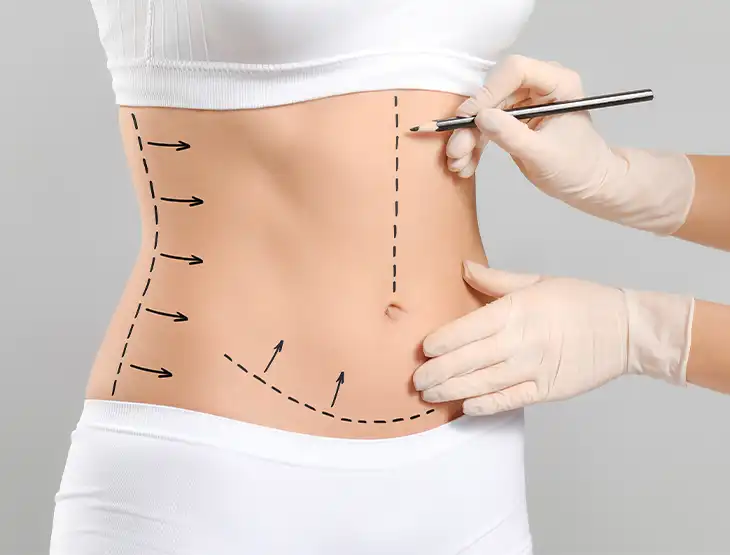
On the day of your procedure, your surgeon will mark your body to indicate the areas they will treat. They will also take photographs to provide a clear comparison before and after the procedure.
During surgery
At the start of the procedure, you’ll receive either local or general anaesthetic depending on the target area, the amount of fat being removed and the surgical technique. They will then make small incisions into the target areas and use a cannula tube to remove the stubborn fat and create a smooth contour.
Throughout the operation, the surgical team will monitor your blood pressure, heart rate and oxygen level. Once they have treated the target areas, they will close the incisions and apply dressings to the incision sites. The procedure can take anything from one to three hours.
After surgery
After the procedure, you’ll typically spend at least a few hours in the clinic so the medical team can observe your progress.
You will feel some pain and discomfort from the procedure that we can control with painkillers. There will also be bruising and swelling in the treated area. This is a perfectly normal sign of healing and we typically ask patients to wear tight compression garments for a few weeks after the surgery to help reduce the swelling.
We recommend that patients take at least a week off work to give their bodies time to heal. You should also avoid strenuous exercise for at least six weeks. We will schedule regular follow-up consultations to monitor your progress during the recovery period and provide additional appointments as required.
What are the risks of liposuction?
Although liposuction is as safe as any other cosmetic procedure, there are still some risks associated with it. They include:
- Lumpy or uneven results
- Temporary or persistent numbness
- Fluid buildup under the skin
- Bleeding under the skin (haematoma)
- Anaesthesia complications
- Changes in the skin colour of the treated area
- Skin infections
- Internal puncture wounds or injuries to other organs
- Fat embolism – when pieces of fat break away and become trapped in blood vessels
- A build-up of fluid in the lungs, kidneys or heart
Thankfully, complications are rare. You can reduce the risks by choosing a qualified surgeon with extensive experience performing liposuction procedures. They will never remove more than the safest amount of fat and provide a dedicated aftercare service.
What are the side effects of liposuction?
Unlike the complications above, there are also some common side effects that do not necessarily pose a risk. These are the things we would expect to see.
The typical side effects of liposuction include:
- Bruising and swelling that can last for up to six months
- Inflammation of the treated area
- Pain and discomfort that can be managed by prescription and over-the-counter medication
- Numbness that can last for a prolonged period but usually subsides after six to eight weeks
- Sagging skin if the skin does fully contract after the procedure – there are treatments available to address this
- Scarring that will fade over time but will be noticeable initially
Although these side effects are not necessarily anything to worry about, you can reduce the effects by getting plenty of rest after the procedure, wearing compression garments to promote healing and minimise swelling, and drinking plenty of water to keep you hydrated. You should also attend all the scheduled follow-up appointments with your Enhance Medical surgeon.
Common misconceptions about liposuction
As well as outdated views about how safe liposuction is, there are a few other common liposuction misconceptions.
Liposuction can help you lose weight
Liposuction is not a treatment for weight loss. The best candidates for treatment are close to their ideal weight but have a few localised pockets of fat they want to reduce.
Liposuction can treat cellulite
Liposuction doesn’t treat the dimpled skin from cellulite or stretch marks. It removes the soft, fatty tissue rather than the fibrous connecting bands that cause cellulite.
Liposuction can fix saggy skin
If the appearance of a double chin or paunch is caused to some degree by sagging skin as well as excess fat, liposuction alone will not deal with that. You may also need a skin tightening procedure.
Fat removed by liposuction will always return
Liposuction lowers the number of fat cells in a specific area, and once they are removed they will not grow back. However, if you gain weight, the remaining fat cells will increase in size.
Safe and effective liposuction with Enhance Medical
If you are in good health and have a stable body weight but have excess body fat in specific areas that exercise and diet will not shift, you are a good candidate for liposuction.
The next step is to find out more about liposuction at Enhance Medical and book a free consultation with our team. We will discuss your goals with you, answer your questions and develop a personalised treatment plan.